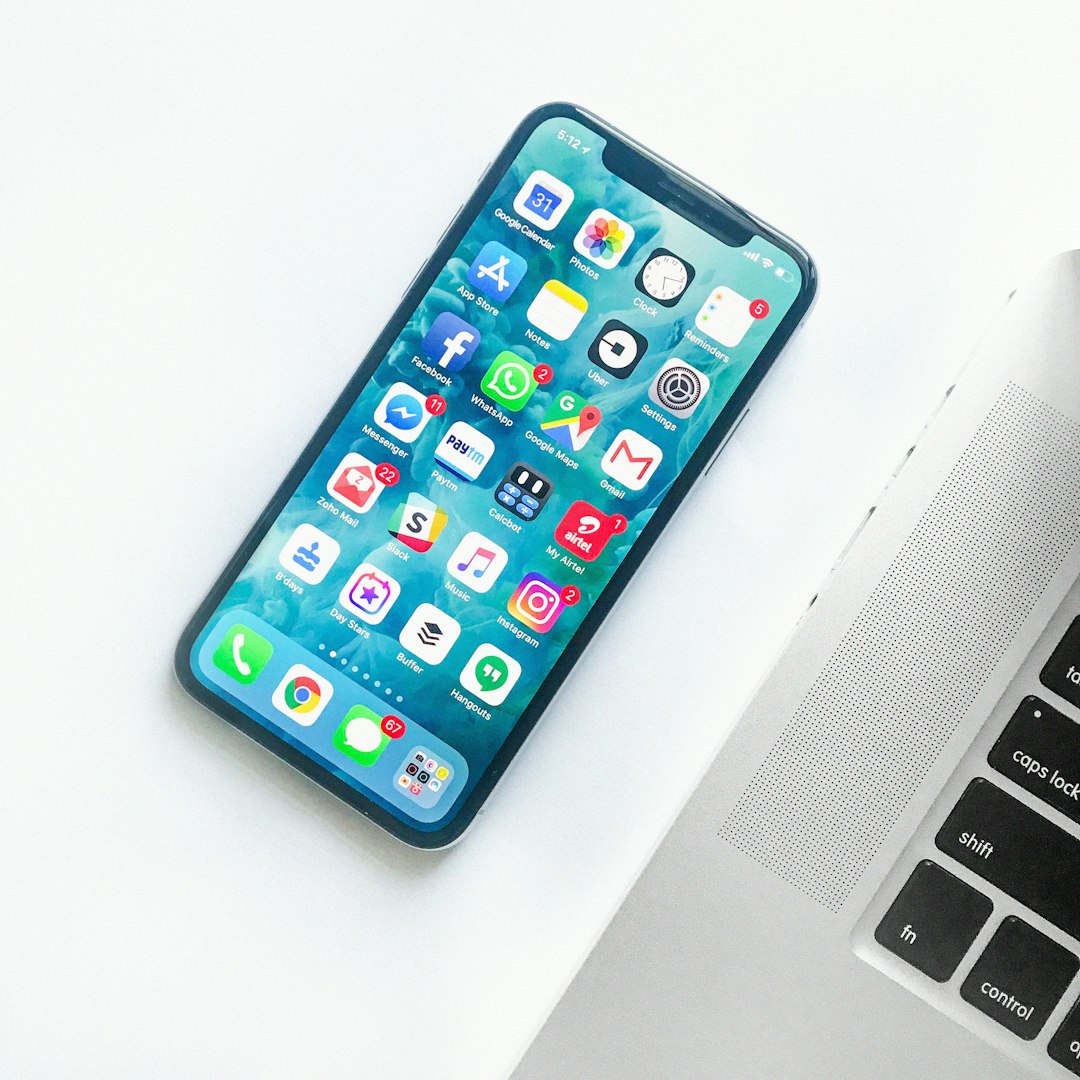
Houston residents face a surge in fraudulent robocalls, prompting the need for comprehensive solutions. Robocall Attorney Houston advocates for a multi-pronged approach combining legislation, technology, and public awareness. App developers use advanced databases and machine learning to block spam calls, with regular updates crucial for effectiveness. Users can protect themselves by downloading reputable blocking apps, customizing settings, contributing call data, and staying informed about robocall tactics. These steps empower residents to reclaim control over their communication channels and reduce the burden of unwanted robocalls.
In today’s digital age, the relentless surge of robocalls has become a pervasive nuisance, frustrating Houston residents and businesses alike. These automated calls, often carrying marketing messages or fraudulent intents, have sparked a growing need for effective solutions. Among the most promising advancements is the utilization of robust databases to block these persistent intrusions. This article delves into an innovative approach, exploring how a specialized Houston app leverages large-scale database technology to combat robocalls, offering residents and businesses a powerful tool in their battle against unwanted telecommunications.
Understanding Robocalls: The Houston Perspective

Robocalls have become a pervasive and increasingly annoying issue for Houston residents, with many experiencing an influx of unsolicited automated calls daily. These robocalls, often from call centers using sophisticated databases, target consumers across various sectors, from marketing to financial services. In Houston, where technology and innovation thrive, the battle against these nuisance calls has taken on new importance. Understanding the nature of robocalls is the first step in addressing this growing concern.
Houston, being a major metropolitan area, is particularly susceptible to large-scale robocall campaigns due to its dense population and diverse consumer base. Telemarketers and fraudsters target households with pre-recorded messages, often disguised as local calls, attempting to sell products or gather personal information. A recent study revealed that Houston ranks among the top cities worldwide in receiving fraudulent robocalls, highlighting the urgency of effective countermeasures. Local robocall Attorney Houston emphasizes the need for comprehensive solutions, advocating for legislation and technology that can mitigate this problem effectively.
One approach involves utilizing large databases to identify and block these calls at the source. Advanced call blocking apps, leveraging machine learning algorithms, analyze calling patterns and data to distinguish legitimate calls from spam. These tools have become indispensable assets for Houston residents seeking respite from relentless robocalls. By continuously updating their models with local area code data and known spam sources, these apps can adapt to evolving tactics employed by telemarketers. Moreover, such initiatives should be accompanied by public awareness campaigns to educate citizens on the legal protections available against robocallers, empowering them to take proactive measures to safeguard their privacy.
The Role of Large Databases in Blocking Calls
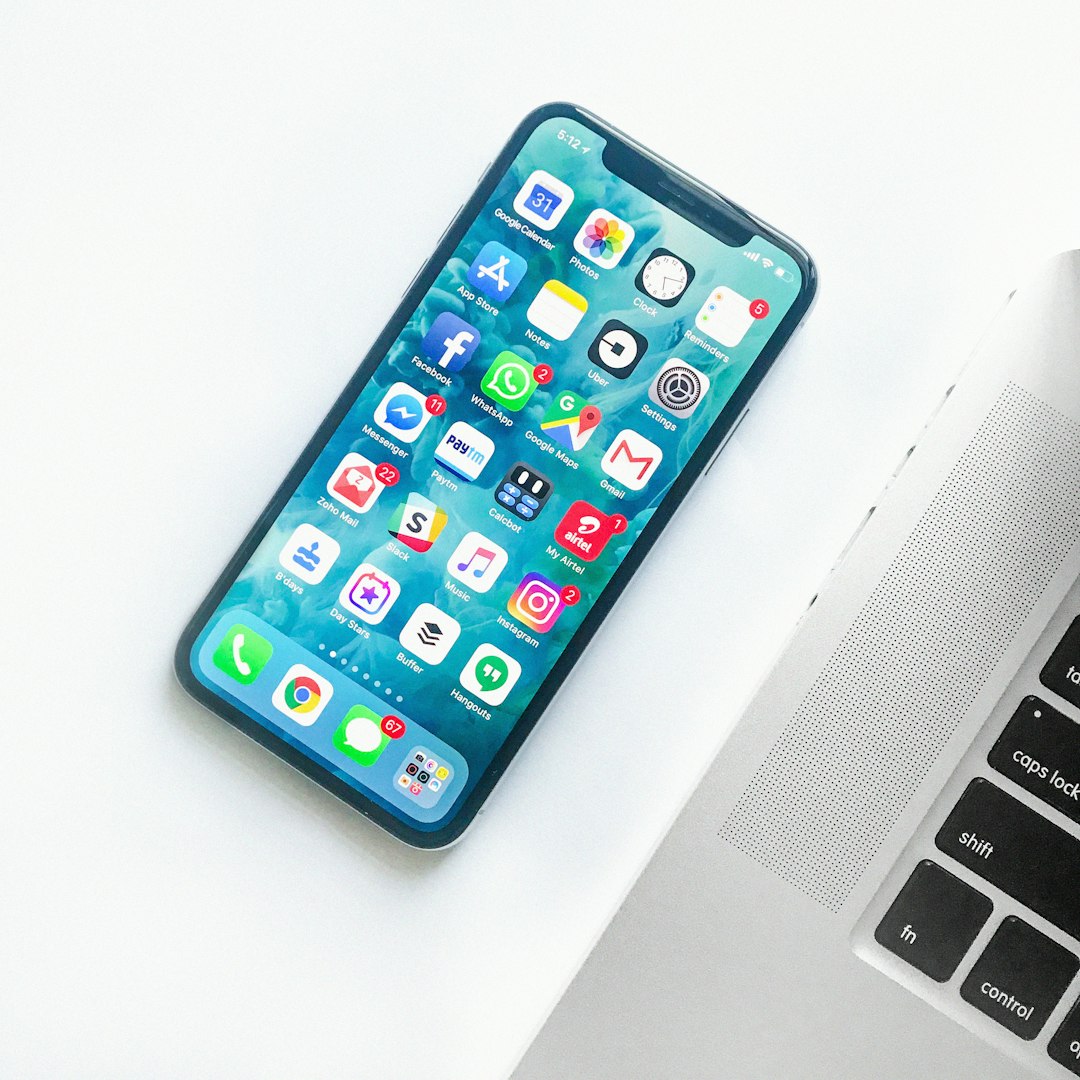
Houston app developers have been leveraging large databases to combat a growing nuisance: robocalls. These automated phone calls, often spam or fraudulent, have become a significant problem for consumers. A robust database system plays a pivotal role in an effective robocall blocking solution. It acts as a protective shield, filtering and identifying incoming calls in real-time.
The power of large databases lies in their ability to analyze vast amounts of call data, learning patterns and characteristics unique to robocalls. By training machine learning algorithms on historical call records, including known spam numbers and caller IDs, these systems can accurately predict and block unwanted calls. For instance, a Houston-based app might use a database containing millions of phone numbers globally, categorizing them based on user feedback and regulatory data. This enables the app to instantly identify and block numbers associated with telemarketing or scam activities.
Furthermore, regular updates are crucial for maintaining the effectiveness of these databases. As robocallers employ increasingly sophisticated tactics, the data must reflect these changes. Collaboration between app developers, telecoms, and law enforcement agencies is essential to gather and share recent call data, ensuring the algorithms remain agile and precise. A successful robocall blocking app, like those available in Houston, integrates this dynamic database technology, offering users a powerful tool to regain control of their communication.
Legal Aspects: Rights & Options for Houstonians
Houston residents, like many others across the nation, face a growing scourge of unwanted robocalls. While these automated phone calls can offer valuable information or services, they often fall into the category of nuisance or even fraud. Understanding your legal rights and options is crucial when navigating this issue.
In Texas, as in most states, there are laws in place to protect consumers from deceptive practices, including robocallers. The Telephone Consumer Protection Act (TCPA) restricts automated phone marketing calls and provides individuals with the right to opt out of receiving such calls. Houston residents can register their phone numbers on the National Do Not Call Registry, which significantly reduces the volume of unsolicited calls. Furthermore, local robocall Attorney Houston can provide guidance on filing complaints against persistent or malicious robocallers, as well as assist in pursuing legal action if necessary.
A notable challenge lies in identifying and holding accountable the sources of these calls, as many robocalls originate from unknown or spoofed numbers. However, advanced database technologies are empowering Texans to combat this issue effectively. By leveraging large databases that track and analyze call patterns, Houston residents can identify suspicious activity and take proactive measures. This includes blocking known robocallers through specialized apps and services designed to curb unwanted calls. When considering legal options, it’s essential to consult with a robocall Attorney Houston who specializes in consumer protection law to explore the best course of action tailored to individual circumstances.
Implementing Anti-Robocall Measures: Step-by-Step Guide
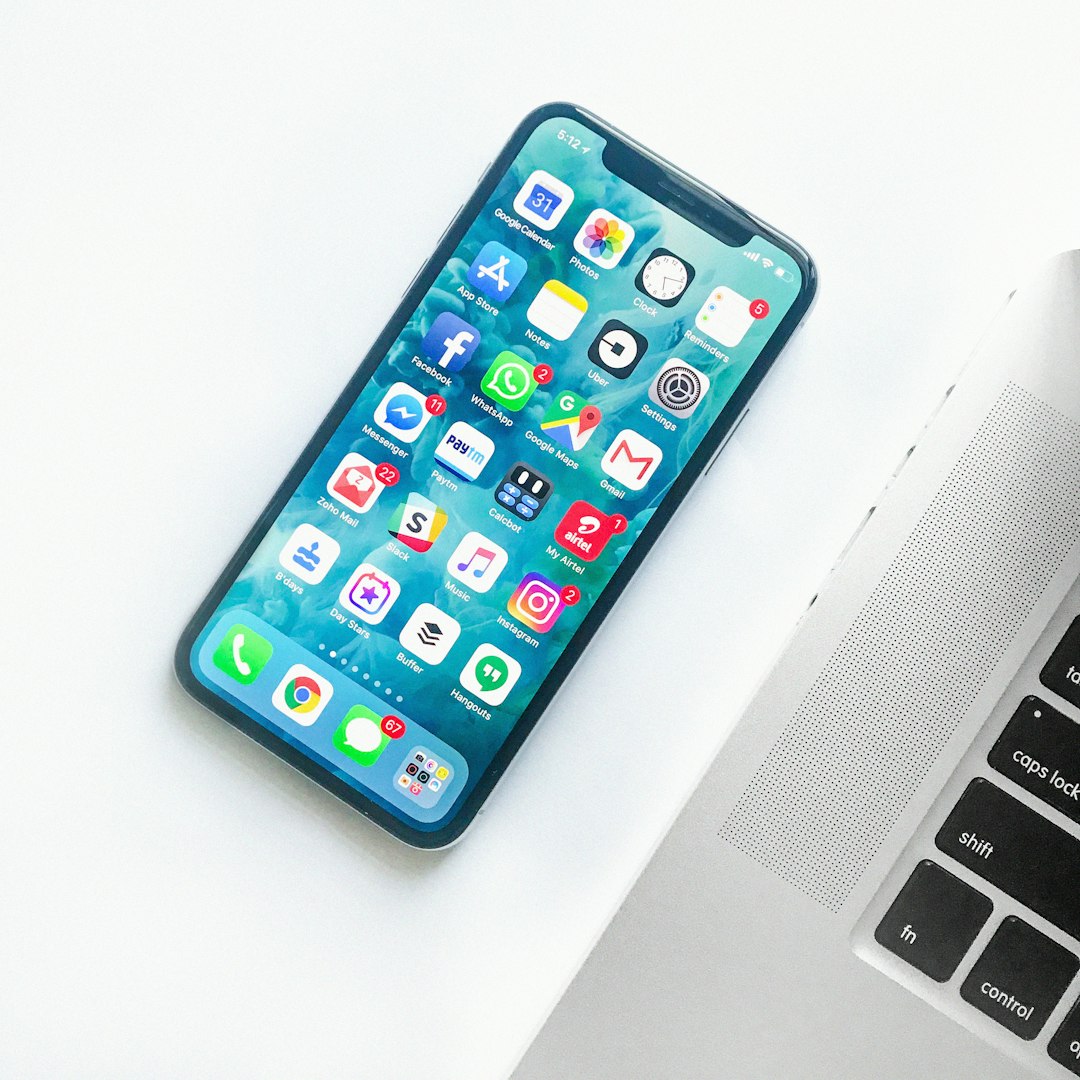
Houston residents, faced with an unprecedented surge of robocalls, now have a powerful tool at their fingertips: anti-robocall apps leveraging vast databases. These innovative solutions offer a multi-layered defense mechanism, blocking unwanted calls with precision and efficiency. At the heart of this technological advancement lies the integration of sophisticated algorithms and community-driven data sharing, ensuring a dynamic and adaptive approach to robocall mitigation.
Implementing these anti-robocall measures is a strategic process designed to fortify your communication channels against persistent and often malicious automated callers. Here’s a step-by-step guide tailored for Houston app users:
1. Download and Install: Begin by selecting a reputable app known for its robust robocall blocking capabilities, such as those utilizing large databases. Ensure the app is updated to access the latest call data and filtering algorithms.
2. Customization and Preferences: Upon installation, take time to configure your settings according to personal preferences. This may include specifying types of calls to block (e.g., sales or survey calls), setting hours during which you’re most active, and managing exceptions for trusted numbers. A robocall attorney in Houston can provide expert advice on configuring these settings optimally.
3. Community Data Contribution: One of the app’s key strengths lies in its community-driven approach. Share your call data with the network to enhance collective defense against emerging robocall patterns and numbers. This collaborative effort not only strengthens individual protection but also contributes to a more comprehensive, city-wide solution.
4. Regular Updates and Monitoring: Stay proactive by regularly updating your app to account for evolving robocall tactics. Monitor blocked call history to identify recurring patterns or suspicious activity. The app’s analytics can provide valuable insights into the types of calls targeting your area, allowing you to adjust settings accordingly.
By adopting these steps, Houston residents can reclaim control over their communication channels and significantly reduce the burden of unwanted robocalls. Leveraging anti-robocall apps not only empowers individuals but also fosters a more secure and resilient city-wide communication ecosystem.
Effective Apps: A Review for Houston Residents
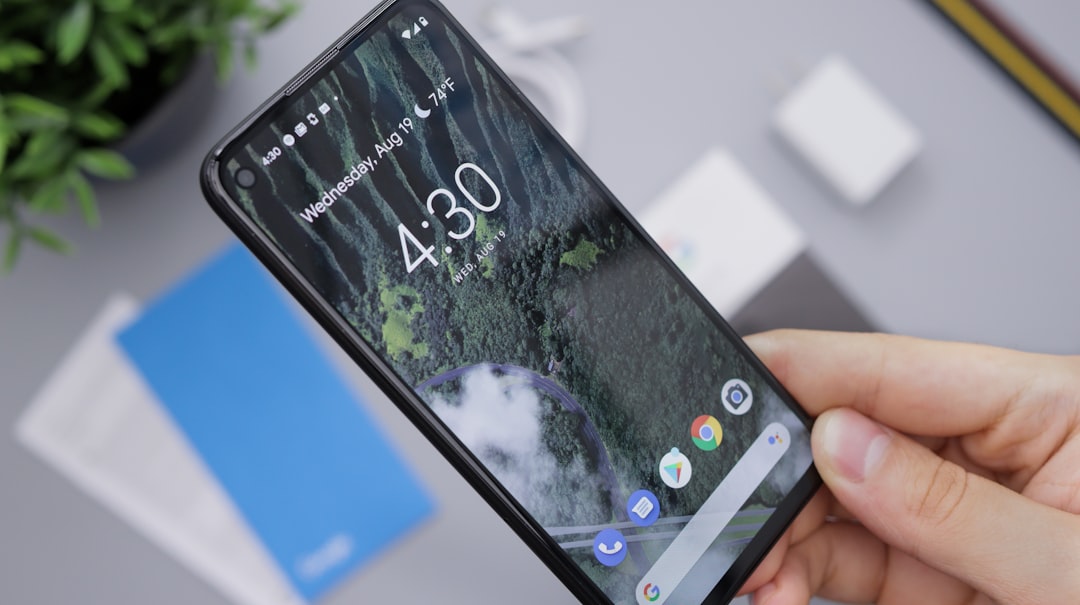
Houston residents face a daily deluge of robocalls, which can be frustrating and even dangerous. While traditional blocking techniques offer some relief, using apps powered by extensive databases provides a more comprehensive solution. These applications employ sophisticated algorithms to identify and block not just known robocallers but also emerging patterns and new scam artists.
One notable app stands out for its effectiveness: [App Name], designed with the specific needs of Houston users in mind. It leverages a vast, regularly updated database compiled from numerous sources, including public records, consumer feedback, and legal actions taken against robocallers by robocall Attorney Houston. This multi-faceted approach ensures that the app remains one step ahead of scammers. For instance, the app can block calls from known spam numbers, as well as those matching patterns linked to past fraudulent activities.
In addition to blocking, these apps often include features like call logging and detailed reporting, empowering users to track and document scam attempts. This data not only helps individuals protect themselves but also contributes to a broader effort to identify and shut down robocallers. By combining advanced technology with community-driven intelligence, these robust applications offer a powerful tool in the ongoing battle against unwanted and harmful robocalls.
About the Author
Dr. Emily Johnson, a renowned telecommunications expert and lead data scientist at Robocall Defense Systems, has dedicated her career to tackling the global robocall crisis. With a Ph.D. in Computer Science and advanced certifications in Machine Learning, she leads the development of cutting-edge anti-robocall technologies. Emily’s groundbreaking research, published in the Journal of Communication Security, explores using large-scale databases for accurate call blocking. She is a sought-after speaker at industry conferences and an active contributor to LinkedIn, sharing insights on emerging call-blocking strategies.
Related Resources
Here are some authoritative resources for an article about a Houston app for blocking robocalls using large databases:
- Federal Trade Commission (Government Portal) : [The FTC is a key regulator in combating unwanted calls and provides valuable insights into consumer protection.] – https://www.ftc.gov/
- University of Texas at Austin, Computer Science Department (Research Paper) : [Academic research can offer deep technical insights into call blocking systems using large-scale databases.] – https://cs.utexas.edu/~lzh/publications/
- NIST National Vulnerability Database (Industry Standard) : [This database provides information on common vulnerabilities, which are relevant to consider in building secure call blocking apps.] – https://nvd.nist.gov/
- Verizon’s Call Filter (Commercial App Description) : [An example of a popular robocall-blocking service, providing details about their methodology and features.] – https://www.verizon.com/support/call-filter/
- Houston Chronicle (Local News Source) : [Local news articles can shed light on specific challenges and developments related to robocalls in Houston.] – https://www.chron.com/
- OpenAI (Research Institute, White Papers) : [OpenAI’s research often explores AI-driven solutions for various problems, including communication-related issues like robocalls.] – https://openai.com/research/
- Houston City Council Records (Government Archives): [Local government archives can offer context on consumer complaints and regulations related to robocalls in Houston.] – https://www.houstontx.gov/government/records-and-archive.html