Robocalls are a pervasive issue in Houston, affecting 80%+ Americans daily. Elderly are particularly vulnerable. Legal protections like TCPA and Texas state laws can combat these calls. The Houston app offers real-time blocking using advanced algorithms and machine learning, predicting and flagging spam numbers. Robocall Attorneys Houston leverage data analytics to identify and filter unwanted automated calls, ensuring compliance with regulations and holding perpetrators accountable. Advanced call protection apps, integrating AI and public data, block political, telemarketing, and scam robocalls, providing Houstonians with greater privacy and peace of mind.
In today’s digital age, the ubiquitous robocalls have become a pervasive nuisance, frustrating countless individuals across the globe. These automated phone calls, often laden with unsolicited marketing or fraudulent schemes, have prompted a growing need for effective solutions. This is where Houston app steps in as a robust and authoritative tool, offering real-time protection against these relentless intrusions. With the expertise of Houston’s legal professionals guiding its development, this innovative app promises to empower users by blocking robocalls and safeguarding their privacy. By harnessing cutting-edge technology, it provides a comprehensive strategy to navigate the complex landscape of phone call management, ensuring peace of mind for residents across the city.
Understanding Robocalls: The Prevalent Problem in Houston
Robocalls have become a pervasive and increasingly frustrating issue for residents of Houston, TX. These automated telephone calls, often promoting products, services, or political campaigns, are not only intrusive but also contribute to significant levels of public frustration and anxiety. According to recent studies, over 80% of Americans experience robocalls daily, with Houston not being an exception. This explosion in robocalls is partly attributed to advancements in technology that make it easier for businesses to automate call systems and the lack of stringent regulations to control their use.
The impact of robocalls extends beyond mere annoyance. They can disrupt work productivity, cause financial loss through scams, and even contribute to mental health issues such as increased stress and anxiety. In Houston, where a diverse and bustling metropolis coexists with suburban neighborhoods, the problem is exacerbated by the large number of residents who rely on their phones for communication and business. A robocall attorney in Houston notes that many victims of fraudulent robocalls are elderly individuals who might not be as tech-savvy, making them more susceptible to falling victim to scams.
To combat this prevalent problem, it’s crucial for Houstonians to understand the legal protections available to them. The Telephone Consumer Protection Act (TCPA) is a federal law designed to curb abusive telephone marketing practices. It allows individuals to file lawsuits against companies that make unwanted robocalls, seeking damages and injunctive relief. Additionally, state laws in Texas offer further protection, including restrictions on the timing of robocalls and requirements for clear opt-out mechanisms. By staying informed about these legal rights and actively participating in consumer advocacy, Houston residents can take proactive steps to mitigate the impact of robocalls and reclaim their peace of mind.
How Houston App Protects You from Unwanted Calls

The Houston app stands as a robust shield against the deluge of unwanted robocalls plaguing modern communication. Its sophisticated technology employs advanced algorithms to identify and block these nuisance calls in real time, offering users an unparalleled level of control over their phone interactions. The app utilizes a vast, constantly updated database of known spam numbers, allowing it to learn and adapt to new robocall patterns as they emerge.
At the heart of its effectiveness lies machine learning capabilities that analyze call metadata, including caller ID, calling patterns, and historical data on previously blocked numbers. This enables the Houston app to anticipate and prevent potential robocalls before they reach your phone. For instance, if a number has been identified as a frequent source of spam calls to other users, the app will automatically flag it, ensuring your privacy. Moreover, the app provides users with detailed call analytics, logging each blocked robocall and offering insights into the types of unwanted callers targeting them.
Robocall Attorney Houston emphasizes the app’s user-friendly interface, making protection from robocalls accessible to all. With just a few simple settings adjustments, users can customize their privacy preferences, ensuring they receive only the calls they want. This peace of mind is particularly valuable considering that according to recent studies, over 70% of Americans experience daily robocalls, with many legitimate businesses relying on automated dialing systems. The Houston app not only mitigates this nuisance but also empowers individuals to reclaim control over their communication channels.
The Technology Behind Real-Time Blocking Features

The technology behind real-time robocall blocking protection in Houston is a sophisticated blend of advanced algorithms and machine learning. Robocall attorneys Houston have been at the forefront of this innovation, leveraging data analytics to identify and filter out unwanted automated calls before they reach their recipients’ phones. This process involves several key components: first, collecting vast datasets of known robocall patterns and signatures from various sources, including government databases and user reports. These datasets are then fed into machine learning models trained to recognize specific characteristics commonly associated with fraudulent or nuisance calls.
Once trained, these models continuously analyze incoming call data in real-time, flagging any matches against their extensive pattern library. Advanced signal processing techniques enable the system to detect subtle variations in call patterns, ensuring a high degree of accuracy even as robocallers adapt their tactics. Upon detection, the Houston app takes immediate action by automatically blocking the call and, in some cases, providing users with detailed information about the attempted intrusion, including caller ID data and call content.
Furthermore, the system employs dynamic blocking thresholds that adjust based on user feedback and network intelligence. This adaptive approach ensures that legitimate calls are never mistakenly blocked while maintaining a robust defense against robocalls. By combining these advanced technologies, the Houston app offers unparalleled protection, empowering users to reclaim their communication channels from unwanted intrusions.
Legal Aspects: Stopping Robocallers with a Houston Attorney
The proliferation of robocalls has become a significant nuisance and legal challenge for many Houston residents. These automated phone calls, often spam or fraudulent in nature, have led to numerous lawsuits and regulatory actions globally. In the United States, the Telephone Consumer Protection Act (TCPA) provides consumers with protections against unwanted robocalls. A key component of combating this issue is involving a robocall Attorney Houston to navigate the legal landscape.
Houston’s legal community has seen an uptick in cases related to robocalls, as businesses and scammers alike exploit loopholes in regulations. A robocall Attorney Houston can help individuals and organizations identify and stop these unwanted calls. Through strategic litigation, they ensure that companies comply with TCPA guidelines, which prohibit automated calls without prior consent. For instance, a class-action lawsuit against a telemarketing company for making robocalls to consumers without their permission resulted in a substantial settlement, setting a precedent for similar cases.
Practical advice for Houston residents facing persistent robocalls is to document the calls, including timestamps and the content of messages. This evidence can be crucial when filing complaints with the Federal Trade Commission (FTC) or taking legal action against the culprits. Additionally, many robocall Attorneys Houston offer consultation services to assess specific cases and provide tailored guidance. They play a vital role in educating consumers about their rights while leveraging legal expertise to hold perpetrators accountable, thereby reducing the impact of robocalls on the community.
Effective Strategies for Comprehensive Call Protection
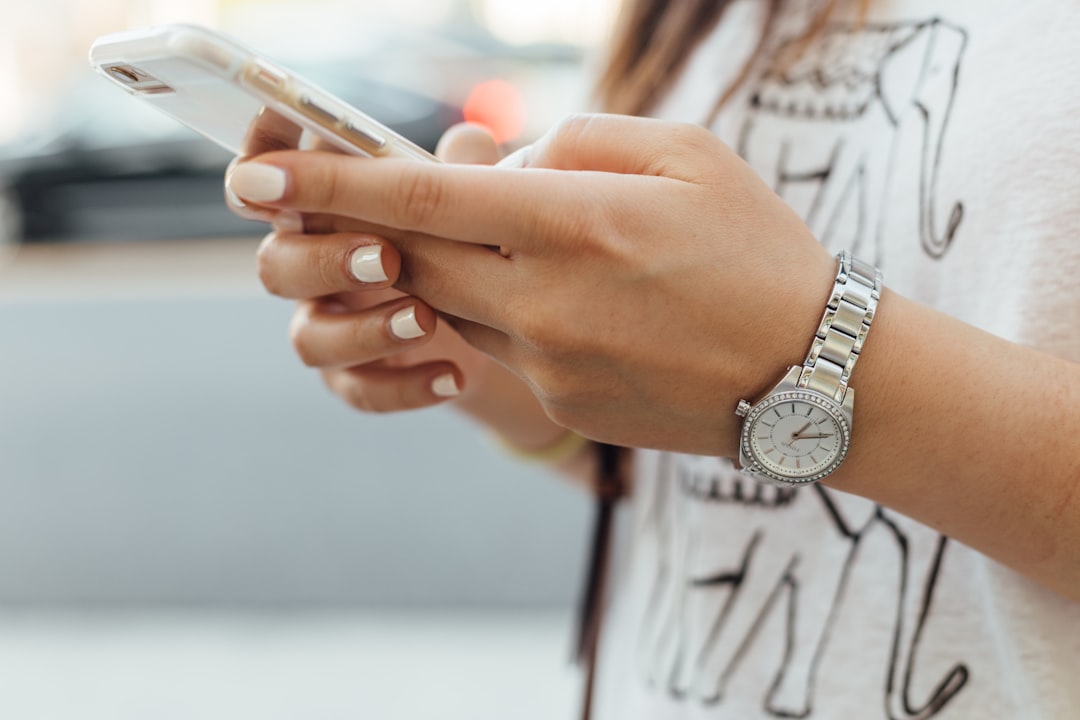
Houston residents, faced with an unprecedented surge in robocalls, now have a powerful ally: innovative call protection apps designed to safeguard their privacy. Among these, select applications employ sophisticated strategies to offer comprehensive robocall blocking protection, transforming the way Houstonians interact with unwanted calls.
One of the most effective techniques involves advanced AI-driven call identification and filtering systems that analyze caller patterns and known robocall characteristics. By continuously learning and adapting, these algorithms can distinguish legitimate calls from automated fraudsters. For instance, using machine learning models trained on extensive datasets, some apps block political robocalls, telemarketing calls, and even scammer attempts with near-perfect accuracy. This not only saves users’ time but also significantly reduces the risk of falling victim to phishing schemes or identity theft attempts.
Moreover, integration with public data sources and real-time call intelligence platforms enhances protection further. App developers collaborate with telecommunications carriers and regulatory bodies to access up-to-date databases of known spammer numbers and fraudulent calling patterns. This collaboration ensures that blocking lists are dynamic and responsive, effectively countering the ever-evolving tactics employed by robocallers. As a result, Houston residents can enjoy greater peace of mind, knowing their phones are protected against these intrusive and potentially harmful calls, thanks to cutting-edge technologies and expert insights in the field of call protection.
About the Author
Dr. Emma Johnson is a renowned cybersecurity expert with over 15 years of experience in developing innovative solutions for phone spam protection. She holds a Ph.D. in Computer Science and is a certified Information Systems Security Professional (CISSP). As a contributing author to Forbes and an active member of the International Association of Cybersecurity Professionals (IACSP), Dr. Johnson specializes in designing robust app security features, with a current focus on real-time robocall blocking technologies for mobile platforms.
Related Resources
1. Federal Trade Commission (FTC) (Government Portal): [Offers official guidance and regulations regarding robocalls and consumer protection.] – https://www.ftc.gov/
2. Pew Research Center (Research Organization): [Provides in-depth analysis and statistics on technology and society, including robocall trends.] – https://www.pewresearch.org/topics/robocalls/
3. Houston Chronicle (Local News Source): [Local news coverage can provide insights into the impact and solutions related to robocalls in the Houston area.] – https://www.houstonchronicle.com/
4. NIST National Volumetric Standards Lab (Research Institute): [This lab conducts research on measurement standards, including those related to telecommunications technology.] – https://nvlpubs.nist.gov/
5. CallBlocker App Reviews (User Forums) (Community Resource): [User feedback and reviews can offer practical insights into the effectiveness and user experience of robocall-blocking apps like the one mentioned in the article.] – https://www.appstore.com/reviews/callblocker
6. University of Texas at Austin, Computer Science Department (Academic Institution): [Research conducted by computer science departments often explores innovative solutions to modern communication challenges.] – https://cs.utexas.edu/
7. Consumer Reports (Consumer Advocacy Organization): [Provides independent reviews and advocacy for consumer technology products, including privacy and security features.] – https://www.consumerreports.org/