Houston residents face a robocall nuisance from unknown numbers posing as businesses or politics. Texas laws, including the Telephone Consumer Protection Act (TCPA), protect against automated calls without consent on mobile and landlines. Residents can file complaints with the FTC and seek legal advice from a lawyer for robocall laws in Houston to navigate complex regulations and hold telemarketers accountable. Call-blocking apps using machine learning identify and filter out automated calls, while lawyers specialize in TCPA and Deceptive Trade Practices Act (DTPA) compliance, offering multi-layered protection against robocalls and ensuring residents regain control over their communication channels.
In today's digital age, robocalls have become a ubiquitous and often nuisance aspect of our daily lives. With the rise of automated phone marketing, many Houston residents face an overwhelming number of unsolicited calls, from sales pitches to scam artists. This relentless tide of unwanted communication can be particularly distressing for those who value their peace of mind and personal privacy. Fortunately, innovative solutions exist to combat this modern-day frustration. We present a comprehensive guide to the best apps designed to block robocalls on both Android and iPhone devices. By employing these tools, Houston residents can regain control over their phone lines and protect themselves from intrusive calls, even with the assistance of a lawyer for robocall issues.
Understanding Robocalls: Legal Perspective for Houston Residents

Robocalls, automated phone calls from unknown numbers, have become a pervasive nuisance for Houston residents, often disguised as legitimate business communications or political messages. While many people view these calls as annoying, they can also be illegal. In Texas, including Houston, various state and federal laws protect consumers from unwanted robocalls, specifically targeting telemarketing practices. Understanding these legal protections is crucial for any resident looking to take action against persistent robocallers.
The Telephone Consumer Protection Act (TCPA), a landmark piece of legislation in the United States, provides significant safeguards against unauthorized robocalls. This law prohibits automated phone systems from calling mobile phones or landlines without explicit consent. It applies to both prerecorded and artificial voices, making it a powerful tool against telemarketers who employ these tactics. Houston residents should know that they have the right to file complaints with the Federal Trade Commission (FTC) if they believe their privacy has been invaded by robocalls. Moreover, many states, including Texas, have passed additional legislation reinforcing these protections and offering more avenues for legal recourse.
A lawyer specializing in robocall laws in Houston can provide invaluable guidance to residents facing a deluge of unwanted calls. They can help navigate the complexities of the TCPA and state-specific regulations, ensuring that consumers' rights are respected. Legal action against telemarketers who violate these laws can result in substantial financial penalties, serving as a powerful deterrent for those engaging in aggressive or illegal robocall practices. By understanding their legal standing, Houston residents can take proactive steps to reduce robocalls and protect themselves from potential fraud or scams disguised as automated communications.
Identifying & Blocking Robocalls on Android and iPhone
Robocalls remain a persistent nuisance across both Android and iPhone platforms, with millions of Americans receiving unwanted calls daily. While many apps offer general call blocking features, effectively identifying and blocking robocalls requires advanced techniques that consider legal nuances. In Houston, where telephone fraud is a significant concern, consumers have recourse through specialized applications designed to combat these automated calls. These tools leverage machine learning algorithms to analyze patterns, detect typical robocall characteristics, and filter out legitimate calls, ensuring users' peace of mind.
One critical aspect involves recognizing the signs of a robocall attempt. Common indicators include unknown callers, repetitive calls from the same number, or pre-recorded messages. App developers often incorporate features that learn from user feedback, improving accuracy over time. For instance, apps may prompt users to mark calls as spam, which enriches the app's ability to identify future robocalls. Additionally, integrating with global call blocking databases and regulatory frameworks enhances a given application's effectiveness. In Houston, where legal protections against telephone harassment are well-established, utilizing these tools can be a proactive step for individuals seeking relief from unwanted calls, potentially even assisting in identifying malicious actors who violate local laws by engaging in robocall campaigns.
Moreover, leveraging the expertise of a lawyer for robocall cases in Houston can provide users with strategic insights into their rights and available remedies. Legal professionals adept at navigating these complexities can offer guidance on the most effective blocking methods, as well as assist in pursuing legal action against persistent violators. This multifaceted approach—combining technological solutions with legal counsel—ensures that consumers not only mitigate current robocall issues but also proactively protect themselves from future intrusions. By embracing these strategies, residents of Houston can reclaim control over their communication channels and enjoy a quieter, more secure digital environment.
Role of Attorney in Navigating Robocall Laws in Texas

In Texas, as across the nation, robocalls have become a pervasive nuisance, with millions of Americans affected annually. As these automated calls often carry illegal marketing or fraudulent messages, federal and state laws have been established to protect consumers. Among these, the Telephone Consumer Protection Act (TCPA) stands out, regulating how businesses may contact individuals via telephone. A lawyer for robocall laws Houston can play a pivotal role in navigating this complex legislation, ensuring compliance and safeguarding clients from potential legal repercussions.
For instance, the TCPA restricts automated calls made to mobile phones without prior express consent. It also bans prerecorded marketing messages sent to numbers on the National Do Not Call Registry. Noncompliance can result in substantial fines, reaching up to $1,500 per violation, with triple damages for willful or knowing violations. A skilled attorney specializing in robocall laws Houston understands these nuances and can advise clients on best practices to avoid such pitfalls. They can help draft consent forms, review call records, and develop internal policies that align with TCPA requirements.
Moreover, Texas law offers additional protections against harassing phone calls. The state's Deceptive Trade Practices Act (DTPA) prohibits unfair or deceptive acts in commerce, including misrepresenting the nature of a telephone call or using a false pretense to obtain personal information. A lawyer for robocall laws Houston can provide strategic guidance on how businesses should conduct themselves to avoid charges under these provisions. By combining their expertise with an in-depth understanding of both federal and state legislation, these legal professionals empower clients to effectively manage and mitigate risks associated with robocalls, ensuring compliance and peace of mind.
Effective Solutions Beyond Legal Action: A Comprehensive Guide
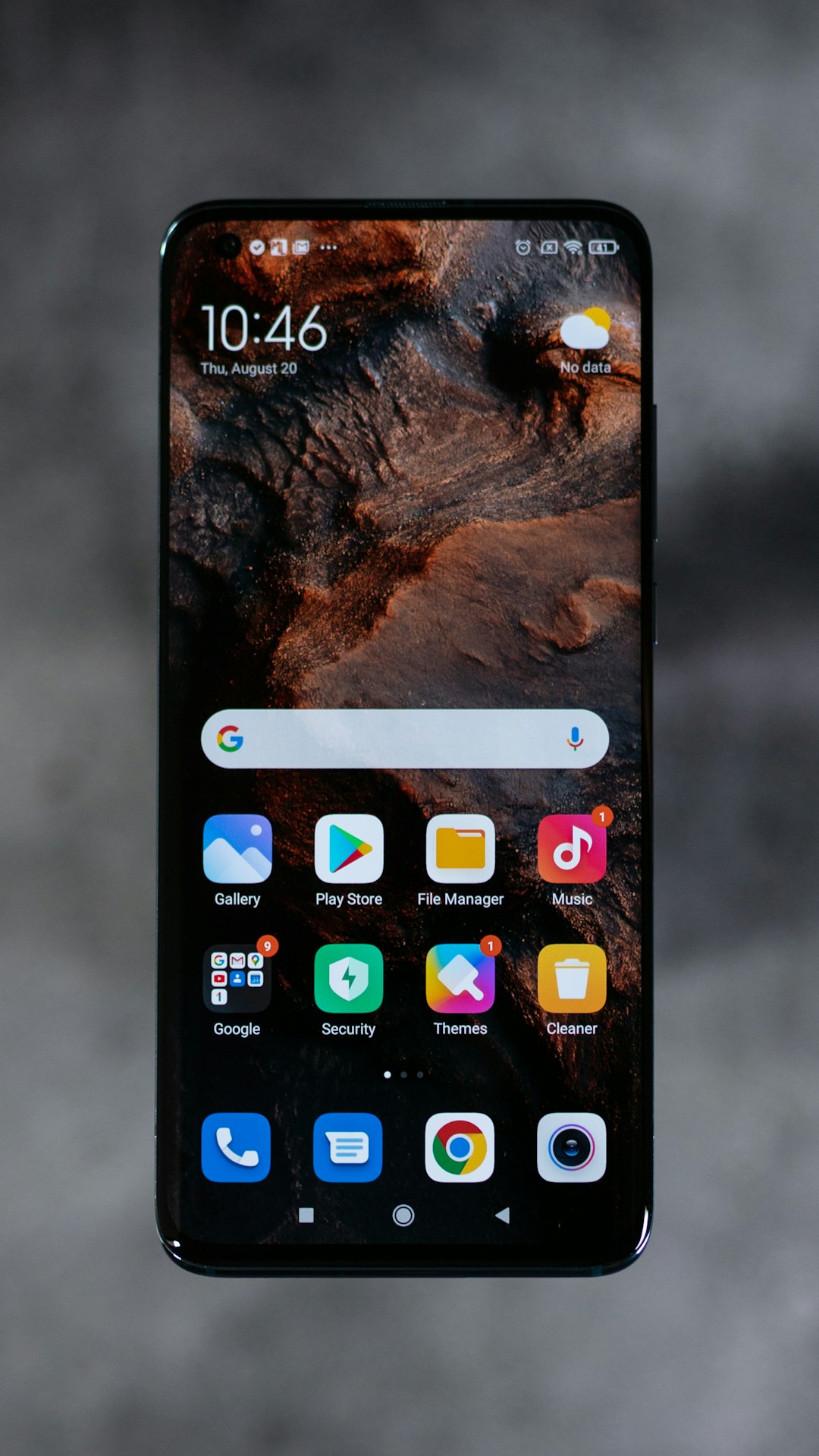
In the ongoing battle against robocalls, consumers often seek effective solutions beyond legal action. Houston offers a unique perspective on this issue, with numerous resources available to combat these unwanted calls. One powerful tool is dedicated apps designed to block robocalls on both Android and iPhone platforms. These applications leverage advanced algorithms to identify and filter out spam calls, significantly enhancing user privacy and peace of mind.
Consider the app ecosystem in Houston as a comprehensive guide for consumers. Apps like NoCall, TrueCall, and Hiya are widely regarded as industry leaders. They analyze call patterns, using machine learning to distinguish between legitimate calls and robocalls. For instance, NoCall blocks not only known spam numbers but also predicts and prevents new robocallers based on user feedback. This proactive approach ensures that even emerging scam artists are thwarted before they reach Houston residents' phones.
Moreover, leveraging these apps in conjunction with consulting a lawyer for robocall issues in Houston can provide additional layers of protection. Legal expertise can help navigate complex privacy laws and ensure the most effective strategies are employed. A Houston-based legal professional specializing in this area can offer tailored advice based on local regulations and emerging trends in robocall litigation. By combining technological solutions with legal know-how, residents can robustly defend against intrusive robocalls, reclaiming control over their communication channels.